House Rat Pest Control in Selangor, Malaysia
Rats can cause damage to residential and commercial properties by chewing electrical wires, damaging stored items and contaminating food preparation and storage areas. They commonly hide in ceilings, roof spaces, kitchens, storerooms and drainage surroundings. Their ability to move through concealed spaces can make an infestation difficult to identify until visible signs of rodent activity appear.
GeniePest provides house rat control in Selangor, Malaysia, for residential and commercial properties. The service approach focuses on identifying rodent activity, assessing possible entry points and examining areas where rats may hide or nest. Based on the property conditions and reported infestation, suitable inspection and treatment options can be discussed.
Whether you have noticed rat droppings in your kitchen, scratching sounds in the ceiling or damaged food packaging in your storeroom, identifying the source of the problem is an important first step. Professional rat pest control can help assess the infestation and determine appropriate control measures.
Visit our rodent pest control services page to learn more about rodent-related pest control. Contact GeniePest to enquire about rat control services for your property.
Common Signs of a House Rat Infestation
Rats are generally more active at night and may remain hidden during the day. However, they often leave visible signs around areas where they travel, feed or nest. Recognising these signs can help property owners identify a possible infestation and consider professional rodent pest control.

Rat Droppings
Small, dark droppings may appear near cupboards, kitchens, food storage areas, storerooms and along walls. Repeated droppings in the same locations may indicate ongoing rodent activity. Avoid touching droppings directly. Follow appropriate hygiene and cleaning precautions when dealing with areas that may have been contaminated.
Scratching Sounds in Ceilings and Walls
Scratching, scurrying or movement sounds from ceilings, roof spaces and wall cavities may indicate rats moving through enclosed areas. These sounds are often more noticeable at night when the surroundings are quieter. A professional rodent inspection can help assess possible access points and affected areas.
Gnaw Marks and Damaged Wires
Rats regularly gnaw on different materials to maintain their teeth. Chewed electrical wires, damaged furniture, packaging and wooden surfaces may indicate their presence. Damaged electrical wiring should be checked by a qualified professional because it can create electrical and fire hazards.
Damaged Food Packaging
Rats may enter kitchens, pantries and storage areas in search of food. Torn packaging, scattered food particles and damaged stored products can be signs of rodent activity. Food that may have been contaminated should be discarded appropriately, and affected storage areas should be cleaned safely.
Unusual Odours and Nesting Materials
A persistent unpleasant smell in enclosed spaces may be associated with rodent activity. Shredded paper, cardboard, fabric and other collected materials may also indicate possible nesting areas. If you notice these signs, a rodent inspection can help identify affected areas and determine suitable house rat control measures.
Areas Where House Rats Commonly Hide
Rats can enter different types of buildings in search of food, water and shelter. They often use small openings, drainage connections and concealed spaces to move around a property.
Identifying where rats hide and travel helps determine an appropriate pest control for rodents approach.
Houses and Apartments
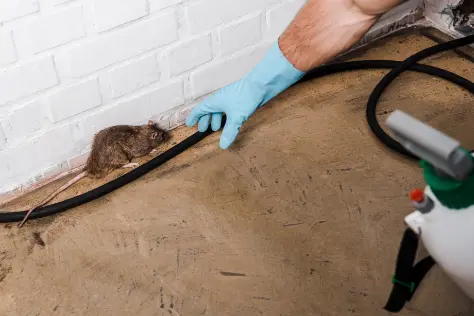
House rats may enter residential properties through roof openings, drainage connections, gaps around pipes and other structural openings. They commonly hide in kitchens, cupboards, ceilings, storerooms and roof spaces. Checking these areas for droppings, gnaw marks and nesting materials can help identify possible rodent activity.
Restaurants and Food Businesses
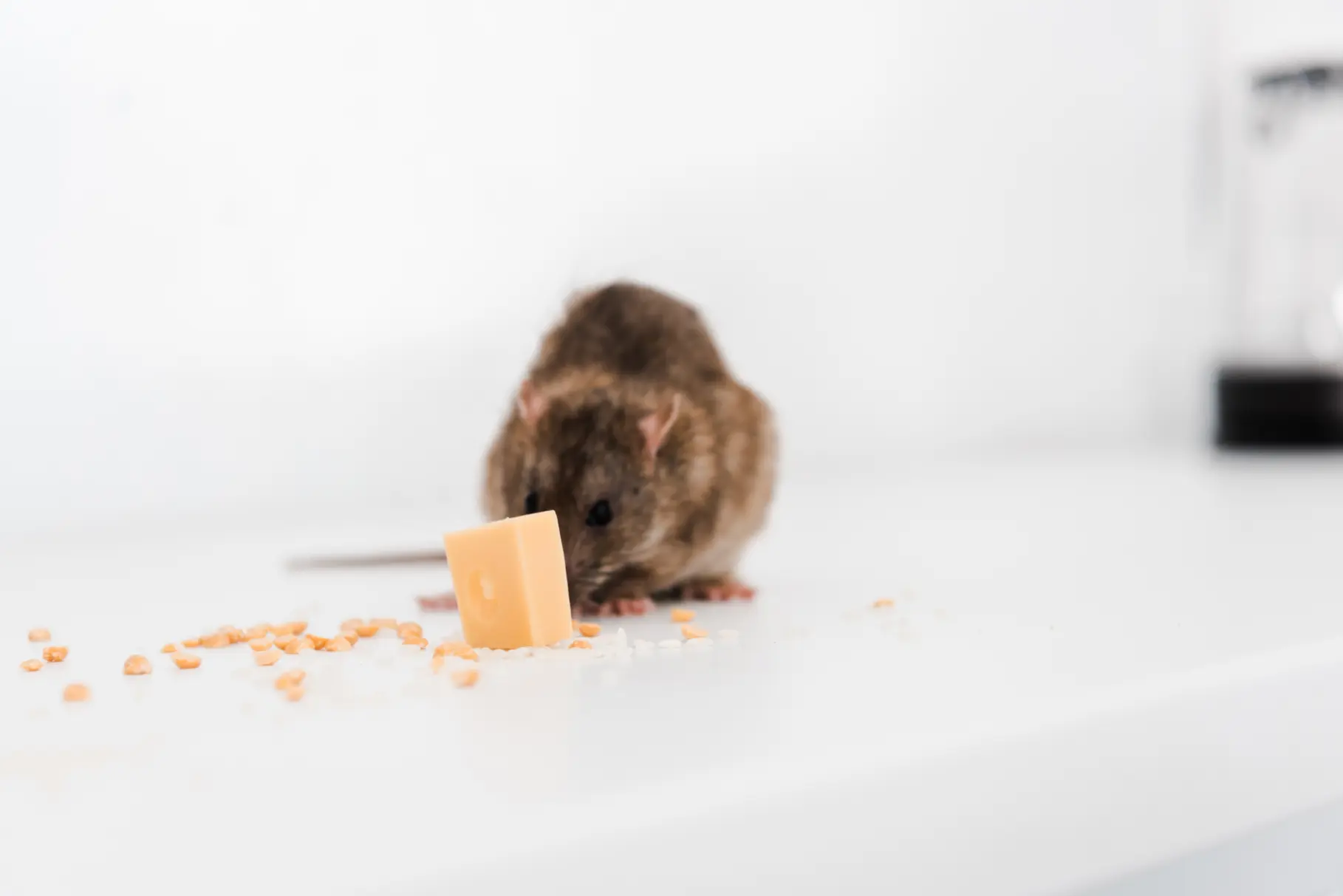
Restaurants, food preparation areas, kitchens and waste storage spaces can attract rats when food waste and accessible food sources are present. Professional rat pest control for food businesses involves assessing rodent activity around food storage, preparation and waste management areas. Proper food storage, regular cleaning and secure waste disposal are also important for reducing conditions that attract rodents.
Offices and Commercial Buildings
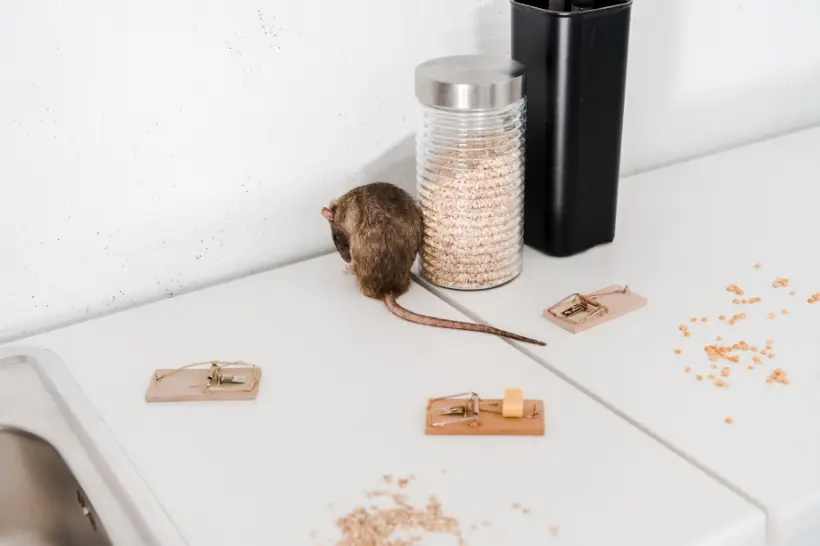
Offices, shops and commercial buildings may contain ceiling spaces, storage rooms, utility areas and waste collection points where rats can hide. Assessing these areas can help identify possible rodent movement routes, nesting locations and entry points.
Warehouses and Storage Facilities
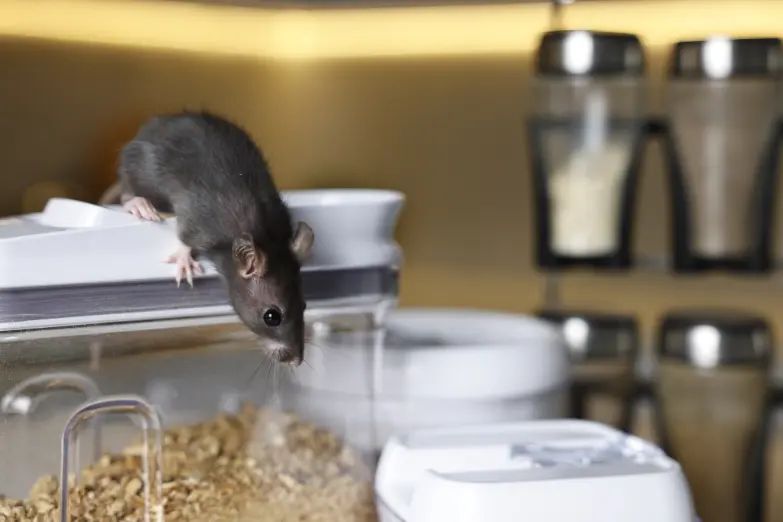
Warehouses and storage facilities may attract rodents when food products, packaging materials and stored goods are accessible. Rats can damage packaging and contaminate stored items. A suitable commercial rat control approach considers storage conditions, rodent movement and possible entry points around the premises.
Our House Rat Control and Treatment Process
Effective rat infestation control involves more than placing traps or bait. Identifying rodent activity, understanding the property layout and checking possible entry points are important parts of managing an infestation.
GeniePest uses an assessment-based approach to understand the reported problem and discuss suitable rodent control and treatment options.
Property Inspection and Rodent Detection
The inspection focuses on identifying signs of rat activity, including droppings, gnaw marks, nesting materials, damaged food packaging and possible entry points. Areas such as kitchens, ceilings, roof spaces, storerooms and drainage surroundings may be assessed depending on the property layout and reported concerns. This initial rodent inspection helps establish the affected areas and possible extent of the infestation.
Rodent Movement and Entry-Point Assessment
Understanding where rats enter, hide and search for food helps determine suitable control measures. The assessment may consider movement routes, nesting locations, accessible food sources and openings around doors, pipes, walls and roof structures. Identifying these areas helps guide the appropriate rat control approach and highlights possible property maintenance requirements.
Targeted Rat Control Treatment
The appropriate treatment depends on the infestation, property layout and areas where rodent activity has been identified. Depending on the assessment and available service options, control methods may include strategically placed traps, secured bait stations or other suitable rodent control products. Treatment products should be selected and applied according to their label instructions and relevant safety requirements. Where bait stations are used, their placement should consider access by children, pets and non-target animals. Property owners should understand the proposed treatment method and any precautions before application.
Nesting Area and Contamination Assessment
Areas where rats have nested or travelled may require attention after rodent activity has been addressed. Droppings, nesting materials and potentially contaminated surfaces should be handled carefully to reduce hygiene risks. Property owners should follow appropriate cleaning and waste-handling precautions, particularly in kitchens, food storage areas and enclosed spaces.
Prevention Advice and Follow-Up Monitoring
Preventing further rodent activity involves reducing the conditions that attract rats and addressing openings they may use to enter buildings. Where follow-up support is available, monitoring can help assess whether rodent activity continues after treatment. Property owners can also receive advice on food storage, waste management, sanitation and possible entry-point repairs. These measures support ongoing rat prevention services and help reduce the risk of recurring infestations.
Residential and Commercial Rat Control Services in Selangor
Different properties have different rodent control requirements. A house may require attention to roof spaces and kitchens, while a warehouse may need an assessment of storage areas, goods and access points.
GeniePest provides rat control service enquiries for residential and commercial properties. The inspection and proposed treatment approach can be discussed according to the type of premises and reported rodent activity.
Residential Rat Pest Control
Rats inside homes can damage electrical wiring, furniture, food packaging and household belongings. Their droppings and urine can also create hygiene concerns. Residential rat control involves identifying signs of infestation, assessing affected areas and discussing suitable treatment options for houses and apartments. Whether the concern involves rats in the kitchen, ceiling, roof space or storeroom, identifying their movement and possible entry points is important when planning appropriate control measures.
Commercial Rat Pest Control
Businesses need to manage rodent activity to protect their premises, stored goods and working environments. Restaurants, offices, shops, warehouses and other commercial buildings may have different areas of concern depending on their operations. Commercial rat pest control involves assessing rodent activity, identifying possible entry points and discussing appropriate control measures based on the building layout and infestation. Contact GeniePest to enquire about commercial rat control services and available treatment options for your property in Selangor.
Why Choose GeniePest for House Rat Control in Selangor?
Managing a rat infestation requires an understanding of rodent behaviour, possible entry points and the conditions that attract rats. Property owners should also understand the proposed treatment methods and any precautions involved.
When enquiring about GeniePest’s house rat control services, you can discuss the following aspects of the service:
Inspection-Based Service Approach
Identifying signs of rodent activity is an important first step. An inspection helps assess affected areas, possible nesting locations and entry points before suitable treatment options are discussed.
Treatment Based on Property Requirements
Different buildings have different rodent control requirements. The proposed approach should consider the property layout, infestation level, rodent movement and areas where treatment may be required.
Clear Treatment Information and Safety Precautions
Property owners should understand the treatment method, products involved, placement of traps or bait stations and any precautions required.
Treatment products should be handled according to their label instructions and applicable safety requirements.
Residential and Commercial Property Requirements
Rats can affect houses, apartments, restaurants, offices, shops and warehouses. Understanding the property’s use and layout helps determine appropriate inspection and treatment requirements.
Prevention and Monitoring Guidance
Controlling an infestation also involves reducing the conditions that attract rats. Advice on food storage, waste disposal, sanitation and possible entry-point repairs can support ongoing rodent prevention.
Follow-up monitoring may also be discussed where available.
How to Prevent House Rats from Entering Your Property
Along with professional rat pest control, property owners can take practical steps to make their buildings less attractive to rodents.
- Seal entry points: Repair gaps around doors, windows, pipes, walls and roof openings where rats may enter.
- Store food properly: Keep food in sealed containers and avoid leaving food waste exposed.
- Manage rubbish: Use covered bins and dispose of waste regularly.
- Maintain cleanliness: Clean food preparation areas, cupboards and storerooms to remove food residue.
- Reduce clutter: Avoid accumulating cardboard, paper and unused materials that may provide hiding or nesting spaces.
- Check drainage areas: Maintain drainage surroundings and address openings that may provide access to the building.
- Inspect roof and ceiling spaces: Look for signs of rodent movement, damaged materials and possible entry points.
These preventive steps can help reduce the conditions that attract rats. However, an active infestation may require professional assessment and treatment.
House Rat Control in Selangor and Shah Alam
Rodent activity can affect residential and commercial properties in different parts of Selangor. Houses, restaurants, offices, warehouses and other buildings may experience rat problems due to accessible food sources, waste areas and openings around the property.
For property owners in Shah Alam and other parts of Selangor, identifying the affected areas and possible entry points is an important first step when dealing with a rat infestation.
GeniePest provides enquiries for house rat control in Selangor, Malaysia, with inspection and treatment options for different property requirements. If you are experiencing scratching sounds in the ceiling, rat droppings, gnaw marks or damaged food packaging, contact the team to discuss your concerns and check service availability in your area.
For more information about the company’s pest control services, visit the GeniePest rodent control page or contact the team to enquire about available services in Selangor, including Shah Alam.
Frequently Asked Questions About House Rat Control
Common signs include rat droppings, scratching sounds in ceilings, gnaw marks, damaged food packaging and unpleasant odours. A professional inspection can help identify rodent activity and possible nesting areas.
Start by removing accessible food sources, securing rubbish, cleaning affected areas and sealing possible entry points. If rat activity continues, professional house rat pest control can help assess the infestation and recommend suitable treatment methods.
Rats may enter ceiling and roof spaces through gaps, openings and damaged roof sections. These areas can provide shelter and access to nesting materials. Inspecting the roof, ceiling and surrounding entry points can help identify possible access routes.
Depending on the infestation and property requirements, rat control methods may include traps, secured bait stations and other suitable rodent control products. The appropriate method depends on rodent activity, building layout and safety considerations.
Yes. Pest control for rodents can help restaurants, offices, warehouses, shops and other commercial premises address rodent activity. The inspection and treatment approach should consider food storage areas, waste management, building layout and possible rodent entry points.
Rats may return if entry points remain open or food and shelter are still accessible. Sealing openings, maintaining cleanliness, managing waste and monitoring rodent activity can help reduce the risk of recurring infestations.
The treatment duration depends on the property size, infestation level, affected areas and control methods used. The expected service duration can be discussed after the property has been assessed.
Contact GeniePest to confirm rat pest control service availability in Shah Alam. The team can discuss your property concerns and the inspection and treatment options available.
Accessible food, uncovered rubbish, standing water, clutter and sheltered spaces can attract rats. Gaps around doors, pipes, walls and roofs may also provide access to buildings.
The cost of house rat pest control in Selangor depends on the property size, infestation level, affected areas and treatment methods required. Contact GeniePest to enquire about available inspection and treatment options.
Need Professional House Rat Control in Selangor?
Rats can damage electrical wiring, contaminate food storage areas and create hygiene concerns for families and businesses. Identifying rodent activity and addressing possible entry points are important steps in managing an infestation.
GeniePest provides house rat control in Selangor, Malaysia, with inspection, treatment and prevention options for different residential and commercial property requirements.