Ant Pest Control in Malaysia for Homes and Businesses
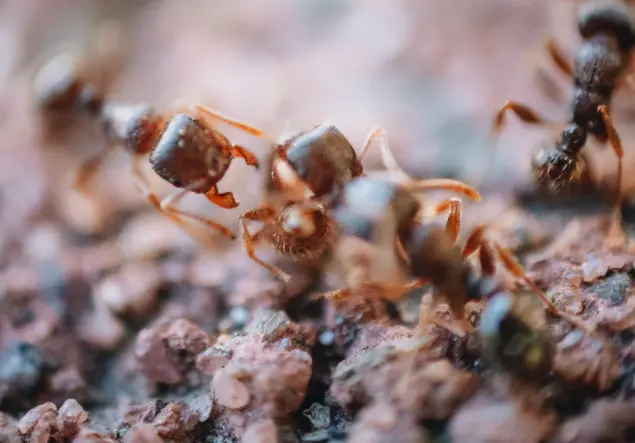
Ants may seem harmless when they appear in small numbers, but repeated activity can become difficult to manage. They often enter properties in search of food, water and shelter. Kitchens, food storage areas, bathrooms, gardens and building gaps can attract ants and provide access to suitable nesting locations.
In Malaysia’s warm and humid climate, ant activity can occur throughout the year. Cleaning visible ants may reduce their numbers temporarily, but colonies can remain hidden in wall cavities, cupboards, soil and other sheltered areas.
GeniePest provides ant pest control in Malaysia for residential and commercial properties. The appropriate treatment depends on the ant species, infestation location and extent of the activity. An inspection can help identify the source and determine suitable control measures.
For other crawling insect concerns, visit our Crawling Insect Pest Control page.
Signs You May Have an Ant Infestation
Ant activity is not always limited to the insects you see. Trails and repeated sightings may indicate that ants are entering from a nearby nest or established colony.
Look out for these common signs:
- Ant trails: Lines of ants moving between food sources and entry points.
- Ants in kitchen cupboards: Small ants gathering around food containers, sugar, crumbs or spills.
- Repeated sightings: Ants appearing in the same areas even after cleaning.
- Activity near sinks and bathrooms: Ants searching for moisture around plumbing and damp areas.
- Nesting activity: Ants entering gaps, cracks, wall spaces, garden soil or other sheltered locations.
- Winged ants: Swarming ants may indicate reproductive activity and should be assessed to distinguish them from termites.
If ant activity continues or spreads to different areas, an inspection can help identify the source.
Enquire with GeniePest about ant pest control: Contact GeniePest.
Why Are There Ants in Your House?
Ants usually enter buildings because they can find food, water or suitable nesting spaces. Even small amounts of food residue can attract them.
Common reasons include:
1. Food and Sugar Residue
Uncovered food, sweet drinks, crumbs and spills can attract ants. Kitchen counters, dining areas and food storage spaces are common places where ant activity begins.
2. Moisture and Water Sources
Leaking pipes, damp cupboards, sinks and standing water can provide moisture that attracts ants.
3. Accessible Entry Points
Small cracks, gaps around windows, doors, plumbing and wall openings can allow ants to enter a property.
4. Nearby Ant Colonies
Ant nests may be located in garden soil, under paving, around building foundations or within sheltered spaces. Ants may enter buildings when searching for food and water.
5. Poorly Managed Waste
Uncovered rubbish bins and food waste can attract ants, particularly when waste is left inside the property for extended periods.
Identifying these conditions can help reduce the factors contributing to recurring ant activity.
Common Types of Ants Found Around Properties
Different ant species may require different control approaches. Correct identification helps determine suitable treatment methods.
Some ant groups that may be encountered around Malaysian residential and commercial properties include:

Ghost Ants
Ghost ants are very small and have pale, almost transparent legs and abdomen. They may appear in kitchens, bathrooms and other areas where moisture and food are available.

Carpenter Ants
Carpenter ants may nest in damp or damaged wood. They do not eat wood like termites, but their nesting activity can affect wooden structures over time.

Fire Ants
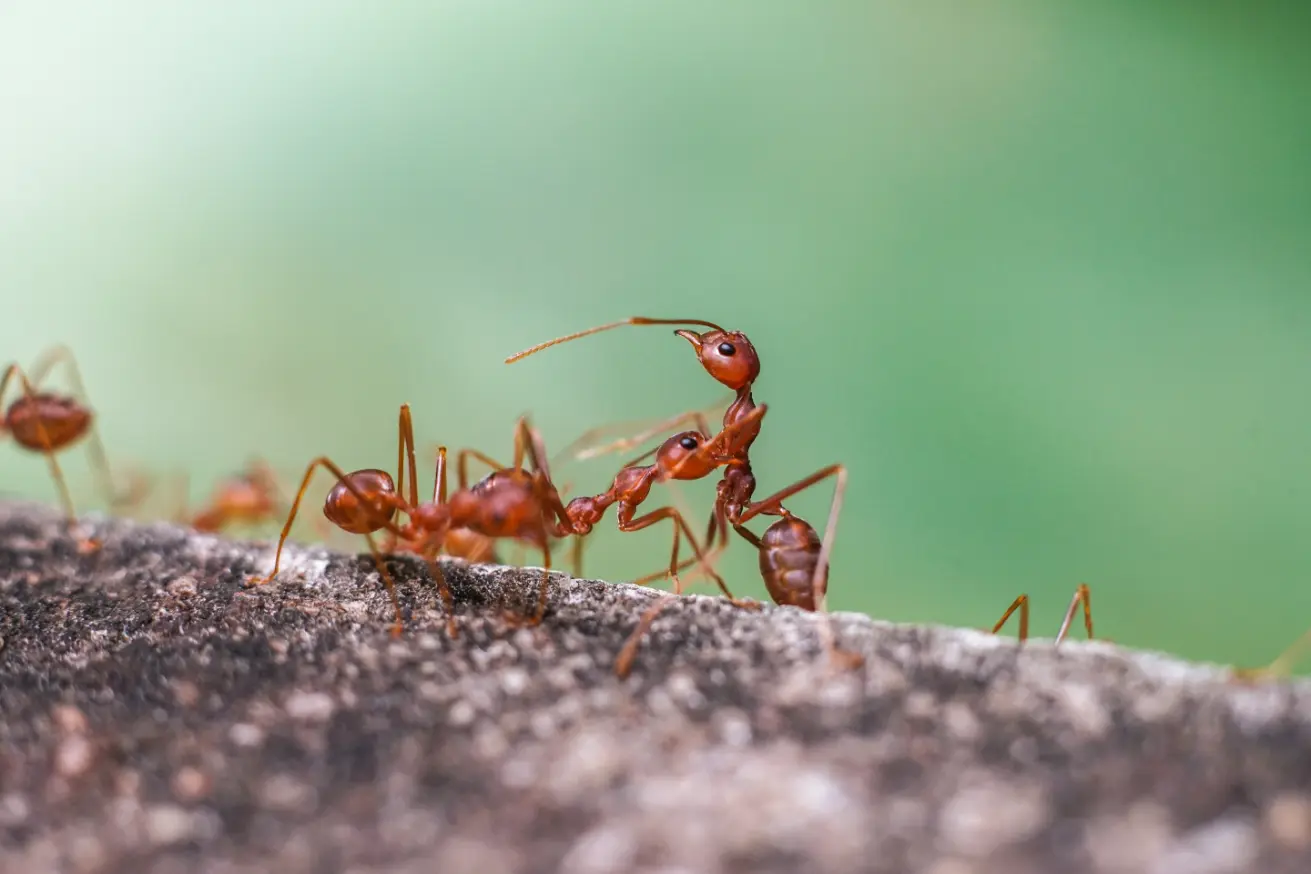
Fire ants are known for their painful stings. They may build nests in outdoor soil, lawns and landscaped areas. Their presence can be a concern for people and pets using outdoor spaces.

Crazy Ants
Crazy ants are known for their irregular and fast-moving behaviour. They may enter buildings while searching for food and shelter, sometimes appearing in large numbers. Correct identification is important because different ant species may respond differently to baiting and other control methods.
How Does Ant Pest Control Treatment Work?
Effective ant infestation treatment should consider the colony, entry points and conditions attracting the ants. Treating only the visible insects may not address the source of the problem.
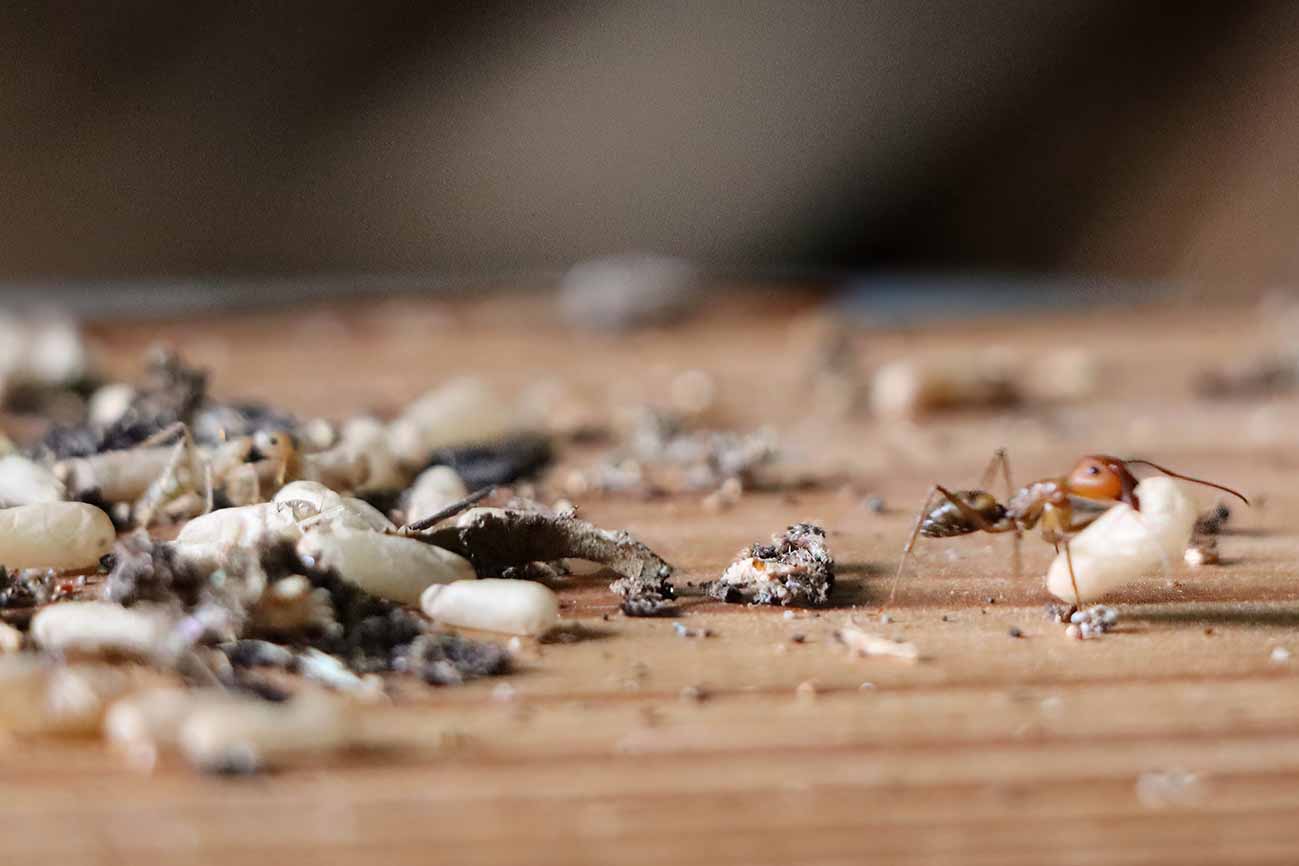
Inspection and Identification
The affected areas are assessed to identify ant trails, possible nesting locations, entry points and conditions that may be attracting ants.
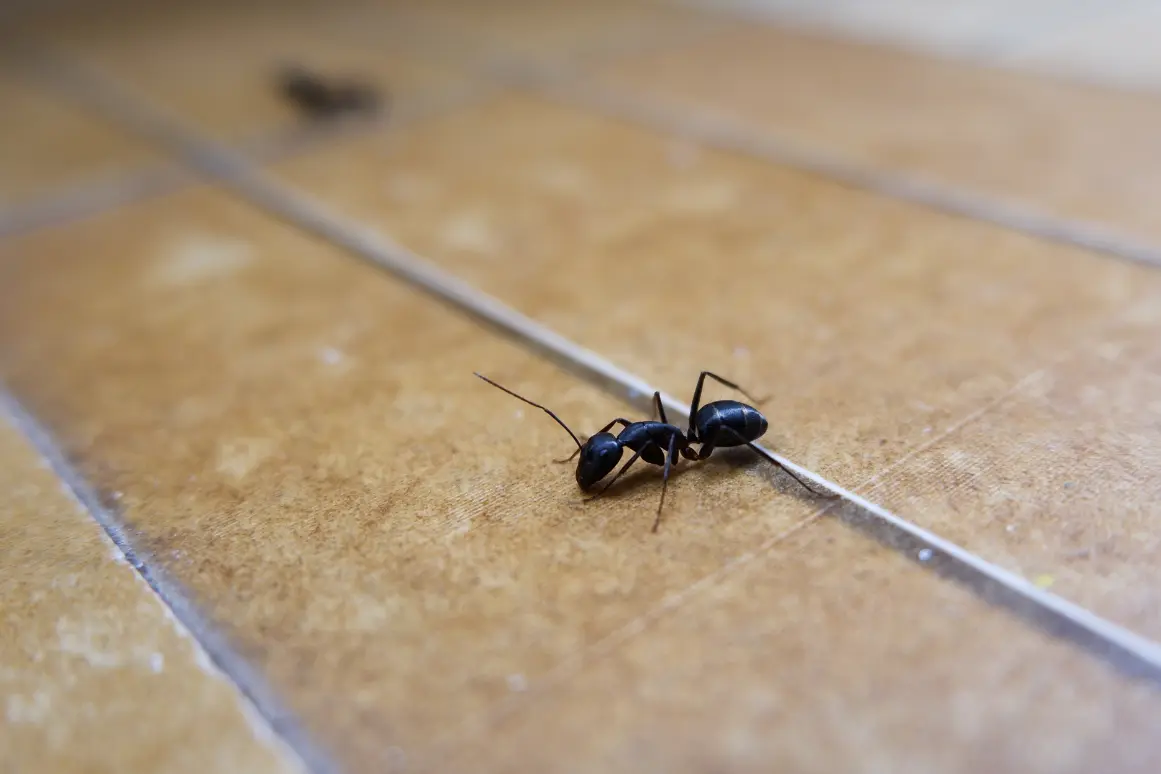
Selection of Suitable Treatment
The treatment approach is selected according to the ant species, infestation level and location. Possible methods may include gel baiting, targeted insecticide application or nest treatment, depending on suitability and service availability.
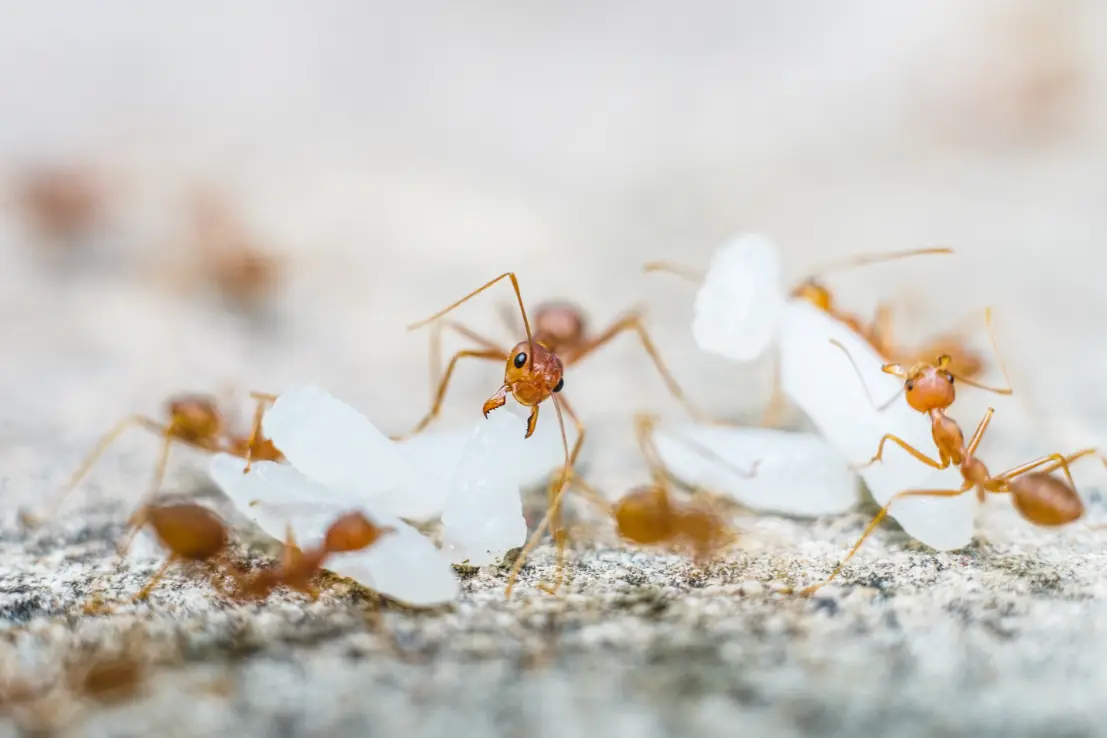
Targeted Ant Control
Treatment focuses on relevant activity areas and potential nesting locations. The objective is to manage the infestation rather than simply remove the ants visible on surfaces.
Prevention Recommendations
Practical advice may be provided to reduce food sources, moisture and entry points that could contribute to recurring ant activity.
Ant Pest Control for Homes
Ant infestations can affect kitchens, bedrooms, bathrooms, food storage areas and outdoor spaces. Repeated ant activity can become frustrating, especially when ants return after routine cleaning.
Residential ant pest control focuses on identifying where ants are entering, what attracts them and where they may be nesting.
Common areas to inspect include:
- Kitchen counters and cupboards
- Food storage and dining areas
- Bathroom sinks and plumbing spaces
- Window and door gaps
- Garden areas and building foundations
- Wall cracks and other sheltered spaces
Suitable treatment and prevention measures can help manage ant activity around the home.
Commercial Ant Pest Control Services
Ant activity can create concerns for businesses, particularly where food, storage and customer-facing areas are involved.
Commercial properties such as restaurants, food preparation facilities, offices, retail outlets and warehouses may experience ant activity when food residue, moisture or accessible entry points are present.
Ant pest control services for commercial properties may focus on:
- Identifying ant activity in kitchens and food storage areas
- Checking entry points and possible nesting locations
- Assessing affected workspaces and storage areas
- Recommending suitable treatment measures
- Providing prevention guidance to reduce recurring activity
Treatment arrangements should consider the property’s operations, access requirements and applicable safety instructions.
How to Prevent Ants from Returning
Pest control treatment works best when combined with good housekeeping and suitable property maintenance.
The following steps can help reduce conditions that attract ants:
- Store food properly: Keep food in sealed containers and avoid leaving uncovered food on counters.
- Clean food spills: Wipe kitchen surfaces and dining areas regularly, especially after meals.
- Manage rubbish: Use covered bins and remove food waste regularly.
- Fix water leaks: Repair leaking pipes and taps to reduce moisture.
- Seal entry points: Check gaps around doors, windows, plumbing and walls.
- Maintain outdoor areas: Keep garden spaces tidy and remove debris where ants may nest.
- Monitor ant activity: Watch for recurring trails and investigate repeated sightings.
These measures can make a property less attractive to ants and support ongoing pest management.
Ant Pest Control Services in Malaysia
Ant activity can affect both residential and commercial properties across Malaysia. The appropriate control approach depends on the property, ant species and extent of the infestation.
GeniePest’s service availability should be confirmed for your location before arranging an inspection.
To check service areas, visit our Area Coverage page. You can also learn more about GeniePest.
Frequently Asked Questions About Ant Pest Control
Start by removing food sources, cleaning spills, storing food in sealed containers and checking for entry points. If ants continue to appear, an inspection can help identify possible nesting areas and suitable treatment options.
Cleaning removes visible ants and food residue, but the colony may remain nearby. Ants can continue entering through small gaps while searching for food and moisture.
The appropriate treatment depends on the ant species, colony location and infestation level. Baiting, targeted applications and nest treatment may be considered depending on the inspection findings.
Small ants may enter kitchens to find food and water. Sugar, crumbs, uncovered food and moisture around sinks can attract them.
Some ant species can affect property conditions. For example, carpenter ants may nest in damp or damaged wood. Other species are mainly a nuisance around food preparation and storage areas.
No. Carpenter ants do not eat wood. They excavate spaces in wood to create nesting areas, which can contribute to structural or property damage over time.
Treatment time depends on the affected area, ant species and infestation level. Some infestations may require monitoring or additional treatment after the initial visit.
This depends on the treatment method and product instructions. Follow the pest control technician's guidance regarding access, ventilation and re-entry.
Safety depends on the treatment products and how they are applied. Inform the service provider about children, pets and sensitive areas before treatment. Always follow the product label and technician's instructions.
The cost depends on the property size, infestation level, ant species and treatment requirements. Contact GeniePest to discuss the affected area and enquire about the applicable service charges.
Enquire About Ant Pest Control in Malaysia
Recurring ant activity can be difficult to manage when the source of the infestation remains unidentified. Addressing the nesting areas, entry points and conditions attracting ants can help support better control.
GeniePest provides ant pest control services for residential and commercial properties, with treatment recommendations based on the inspection findings.
Enquire today about ant pest control in Malaysia.
Contact GeniePest to discuss your ant infestation and arrange an inspection.