
Quick Summary
- Professional flying insect pest control service helps reduce health risks caused by mosquitoes, flies, and other flying pests in Malaysian homes and businesses.
- Malaysia’s warm and humid weather allows flying insects to breed throughout the year, making regular pest control an important preventive measure.
- Businesses in the food, hospitality, healthcare, and retail sectors benefit from pest control by maintaining hygiene standards and protecting their reputation.
- Professional inspections identify breeding areas, apply targeted treatments, and provide long-term prevention strategies instead of temporary fixes.
Flying insects are a common problem in Malaysia because of the country’s warm and humid climate. Mosquitoes, flies, moths, bees, and other flying pests can quickly become a nuisance and may even pose health and hygiene risks. In this blog, you will learn why professional Flying Insect Pest Control Service is important, the common flying insects found in Malaysia, the risks they bring, how professional treatments work, and why regular pest management helps protect both homes and businesses. By the end of this guide, you will understand how the right pest control solution can create a safer and healthier environment.
The Flying Insect Problem in Malaysia Is Bigger Than You Think
Malaysia sits right on the equator, and that means heat, humidity, and rainfall all year long. As comfortable as that sounds for a holiday, it is a dream environment for flying insects. Whether you live in a landed property in Subang Jaya, manage a restaurant in Shah Alam, or run a warehouse in Klang, you are operating in conditions that naturally attract and sustain flying insect populations.
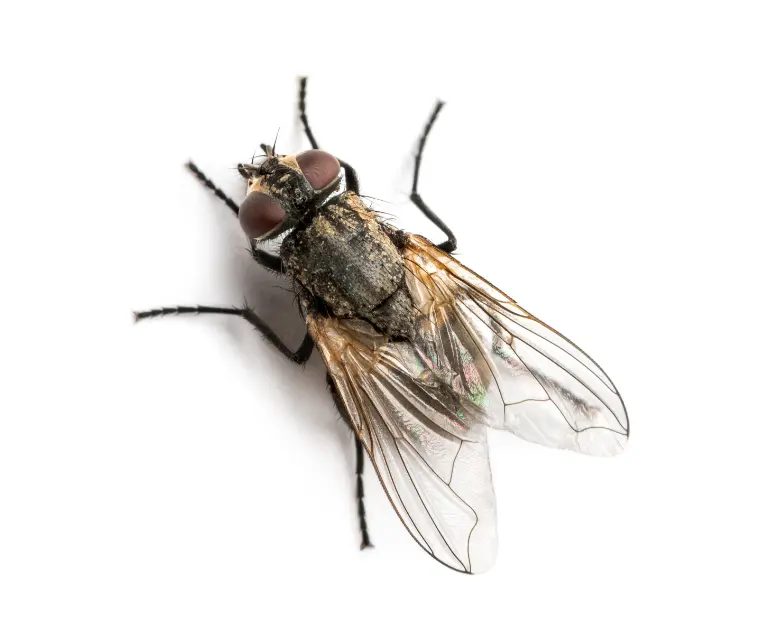
Among the most common flying pests found across Malaysian properties are mosquitoes, houseflies, fruit flies, drain flies, moths, and fungus gnats. Each of these insects carries its own set of problems. Mosquitoes are the most notorious, with dengue fever being a real and constant threat in Malaysia. According to public health data, Malaysia reports tens of thousands of dengue cases every year, and the Aedes mosquito is the main culprit. Houseflies, on the other hand, are vectors for over 65 diseases and can contaminate food and surfaces rapidly.
Fruit flies may seem harmless, but they breed explosively near exposed food and beverages, making them a nightmare for kitchens, cafes, and grocery stores. Moths damage stored fabric, grain, and dry goods. Drain flies breed in stagnant water inside pipes and drains, often going unnoticed until the infestation is severe. These are not just nuisance pests. They are legitimate threats to health, hygiene, and business operations.
Health Risks That Cannot Be Ignored
The health consequences of living or working around flying insects are serious and well-documented. Mosquito-borne illnesses like dengue, chikungunya, and malaria are endemic to Malaysia and continue to affect thousands of families each year. A single bite from an infected Aedes mosquito is enough to land someone in the hospital.
Houseflies carry bacteria such as Salmonella and E. coli on their bodies and legs, depositing these pathogens onto food surfaces every time they land. For households with young children, elderly family members, or immunocompromised individuals, this poses a serious risk of foodborne illness. Fruit flies can also carry and transmit bacteria, especially in commercial kitchen environments where sanitation is non-negotiable.
Beyond physical illness, flying insects also contribute to psychological stress. Nobody sleeps well when mosquitoes are buzzing around the bedroom. Nobody can concentrate in an office where flies keep landing on desks and food. The impact on quality of life and workplace productivity is real, and it adds up over time.
Why Businesses in Malaysia Face a Higher Risk
For businesses, the stakes with flying insect infestations are even higher. A single complaint from a customer about seeing flies in a restaurant or mosquitoes in a hotel room can spiral into a social media storm overnight. In Malaysia’s highly connected urban centres like Klang Valley, Petaling Jaya, and Selangor at large, word spreads fast, and reputation is everything.
Food and beverage businesses are particularly vulnerable. The Malaysian Ministry of Health and local councils conduct hygiene inspections regularly, and establishments found with flying insect infestations can face fines, temporary closures, or even permanent licence revocation. A failed audit is not just costly in monetary terms; it damages the trust you have spent years building with your customers.
Healthcare facilities, childcare centres, schools, and supermarkets face equally stringent hygiene requirements. Having a professional Flying Insect Pest Control Service on a regular maintenance schedule is often a compliance requirement, not just a good practice. Businesses that invest in proactive pest control spend far less in the long run compared to those that scramble to deal with an infestation after it has already affected their operations.
Why DIY Methods Simply Do Not Cut It
Walk into any hardware store in Malaysia and you will find shelves stocked with mosquito coils, aerosol sprays, plug-in repellents, and sticky fly traps. These products offer short-term relief at best. They do not address the source of the infestation. Spraying a room with insecticide will kill the flies you can see, but if there is a breeding ground in your drains, garbage area, or nearby stagnant water, the problem will return within days.
Furthermore, many over-the-counter products contain chemicals that, when misused or overused, can be harmful to children, pets, and the environment. Without proper training, homeowners often apply these treatments incorrectly, leading to ineffective results and unnecessary chemical exposure.
A certified pest control professional, on the other hand, conducts a thorough inspection to identify the species, locate breeding sites, assess the extent of the infestation, and apply targeted treatments that are both effective and safe. They use integrated pest management approaches that combine physical, biological, and chemical methods tailored to your specific environment. That level of precision simply cannot be replicated by a can of spray.
What Professional Flying Insect Pest Control Involves
A reliable Flying Insect Pest Control Service in Selangor or anywhere across Malaysia typically begins with a detailed site inspection. The technician will survey the property, identify the type of flying insects present, pinpoint breeding areas, and assess entry points. From there, a customised treatment plan is developed.
Treatment methods may include misting or fogging for mosquitoes, UV light traps for flies, larviciding to eliminate breeding in water bodies, insect growth regulators that disrupt the pest life cycle, and residual spraying for long-lasting protection on surfaces. For commercial properties, electronic fly killer units and pheromone traps are commonly installed as part of ongoing monitoring systems.
After the initial treatment, a follow-up schedule is usually recommended to ensure the infestation does not return. Many pest control companies in Malaysia offer monthly or quarterly service plans that include inspections, re-treatments if needed, and documentation for compliance purposes. This kind of systematic approach is what separates professional services from amateur attempts.
Selangor Property Owners Have Unique Reasons to Act
Selangor is Malaysia’s most developed and densely populated state, home to a mix of residential townships, commercial hubs, industrial parks, and food districts. This density, combined with the tropical climate, creates ideal conditions for flying insect populations to thrive and spread quickly from one property to another.
Areas like Petaling Jaya, Subang Jaya, Shah Alam, Klang, and Ampang consistently record high dengue activity. For homeowners and business operators in these areas, a proactive Flying Insect Pest Control Service in Selangor is not something to delay. It is something to schedule before the problem takes hold.
The good news is that professional pest control in Selangor is accessible and affordable. With the right service provider, you get trained technicians, proper certification, use of Ministry of Health approved products, and a service guarantee that gives you confidence your property is being properly protected.
Conclusion: Protect Your Space Before the Problem Grows
Flying insects are not just an annoyance in Malaysia. They are a health hazard, a business risk, and a quality-of-life issue that demands professional attention. Whether you are a homeowner trying to protect your family from dengue or a restaurant owner trying to keep your kitchen compliant and your customers comfortable, a professional Flying Insect Pest Control Service is the most effective and responsible solution.
Do not wait for an infestation to become unmanageable. Proactive pest control saves you time, money, and stress in the long run. The sooner you get a professional assessment, the easier and more cost-effective it is to keep your property pest-free.
Ready to take action? Our certified pest control team is available across Malaysia, with specialised Flying Insect Pest Control Service in Selangor and surrounding areas. Visit our Contact Us today to book your free inspection and let our experts handle the rest. Your safe, insect-free environment starts with one simple call.
Frequently Asked Questions
1. What is a Flying Insect Pest Control Service?
A Flying Insect Pest Control Service is a professional solution that identifies, treats, and prevents infestations caused by mosquitoes, flies, termites, moths, wasps, and other flying insects.
2. Why are flying insects common in Malaysia?
Malaysia’s warm temperatures, high humidity, and frequent rainfall create ideal breeding conditions for many flying insect species throughout the year.
3. How often should pest control be carried out?
Most residential and commercial properties benefit from regular inspections every few months, depending on the level of insect activity and the surrounding environment.
4. Is professional pest control better than DIY methods?
Yes. Professional treatments address the root cause of infestations, while DIY products usually provide only temporary relief.
5. Is Flying Insect Pest Control Service safe for families?
Professional pest control companies use approved treatment methods and provide safety guidelines to ensure treatments are carried out responsibly.